
Evan Evans
Moco Modern & Contemporary Art Museum entry
-
90 mins
-
Moderate
-
Non-guided
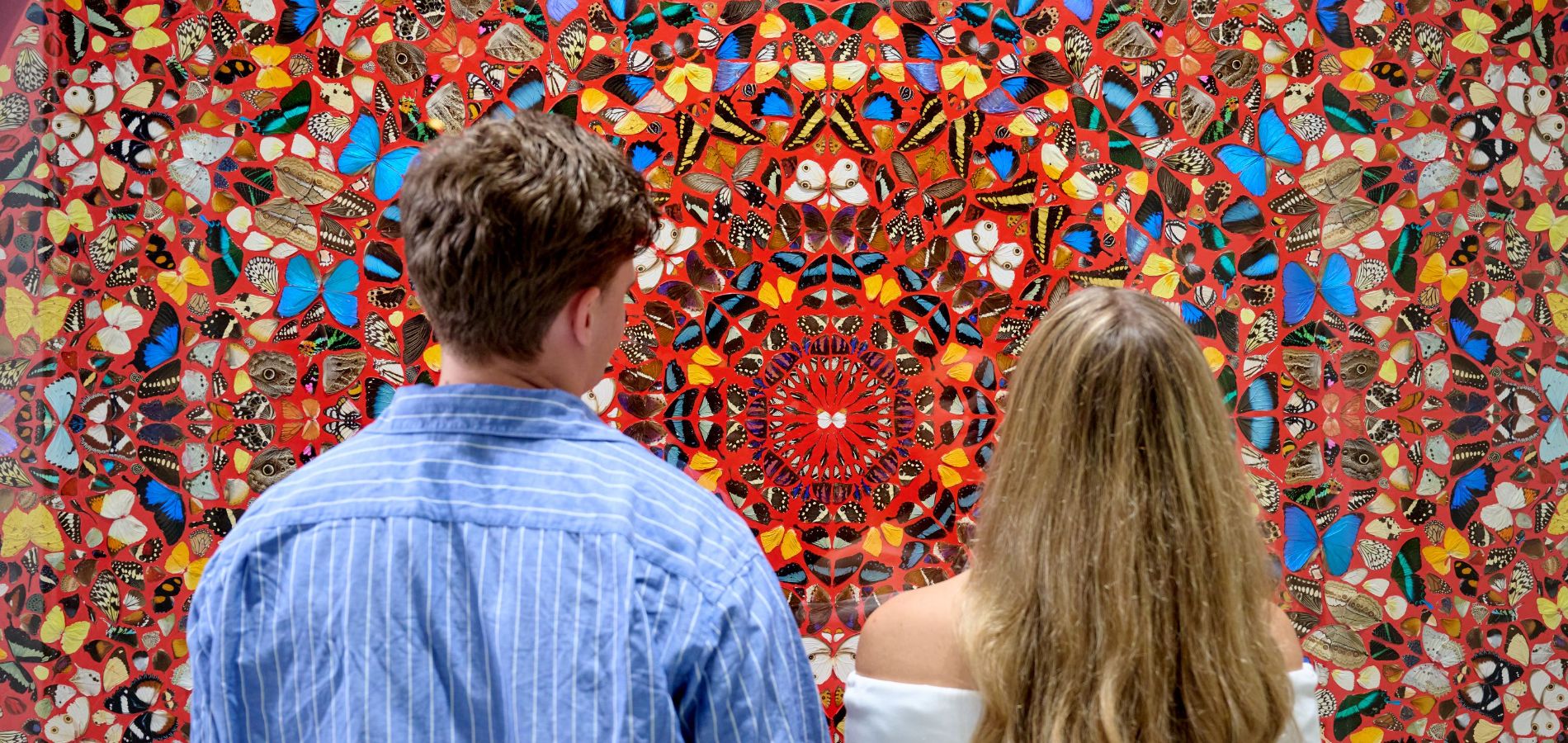
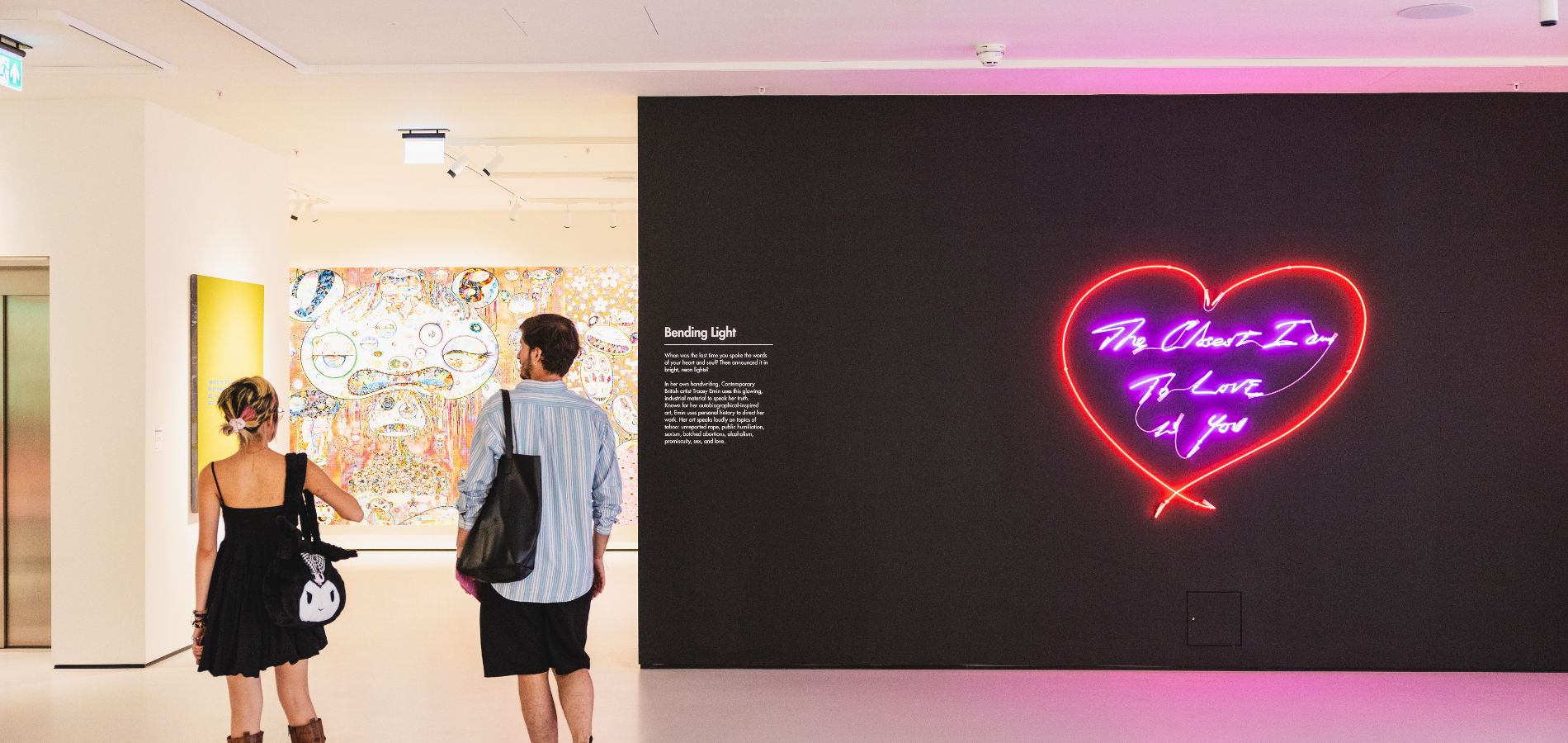
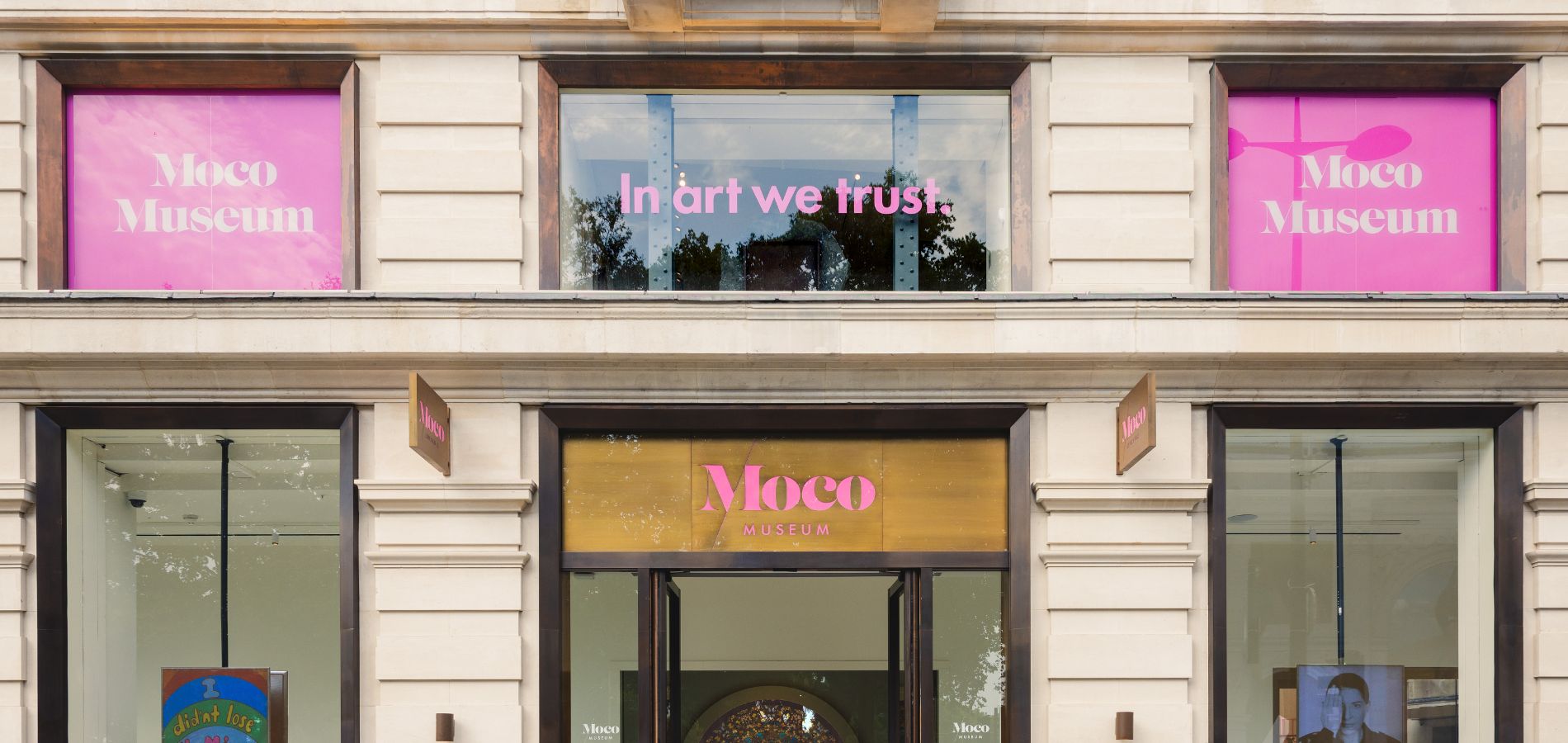
Moco Museum London, the latest cultural hotspot at Marble Arch, brings the bold energy of its Amsterdam and Barcelona counterparts to the UK capital. Housed in a striking 25,000 sq ft Art Deco building, the museum spans three floors of modern, contemporary, and immersive digital art, featuring icons such as Warhol, Haring, Kusama, Banksy, Hirst, and more. Designed to engage a new generation of art lovers, Moco blends world-renowned masterpieces with cutting-edge installations and Instagram-worthy experiences!
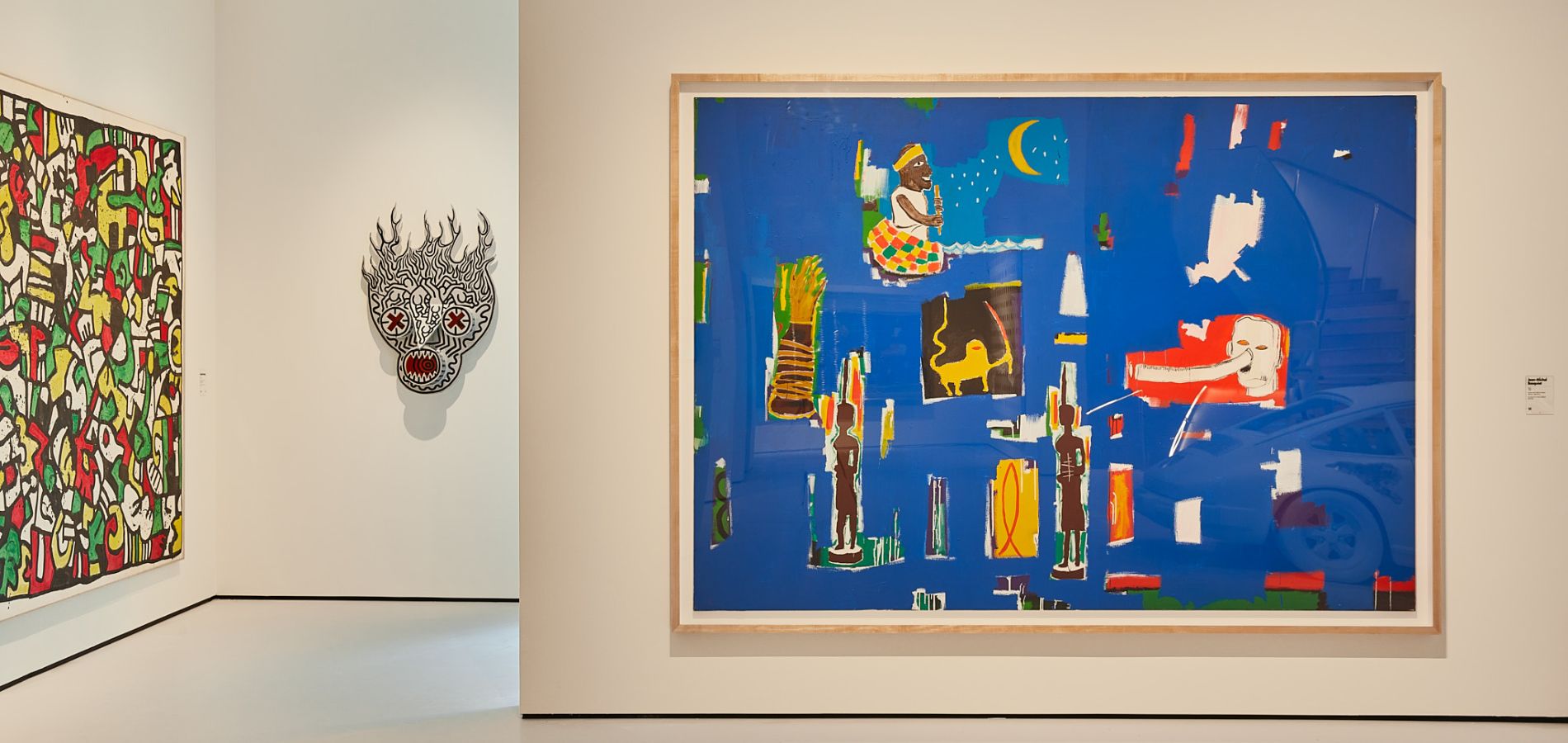
Go on an awe-inspiring journey through modern, contemporary, and digital art, leaving you enlightened and empowered. Explore the works of artists who have shaped our society, challenging norms and inspiring positive change for a better future. Celebrate the exceptional contributions of critically acclaimed artists like Basquiat, Haring, KAWS, Koons, Kusama, Warhol, Banksy & many others.
Immerse yourself in their creative universe with cutting-edge digital exhibitions and art installations, taking your museum visit to the next level. Ready to feel inspired? Get your tickets now for Moco Museum London!
- NEW - Voice of the Street: Keith Haring’s Subway Drawings
-
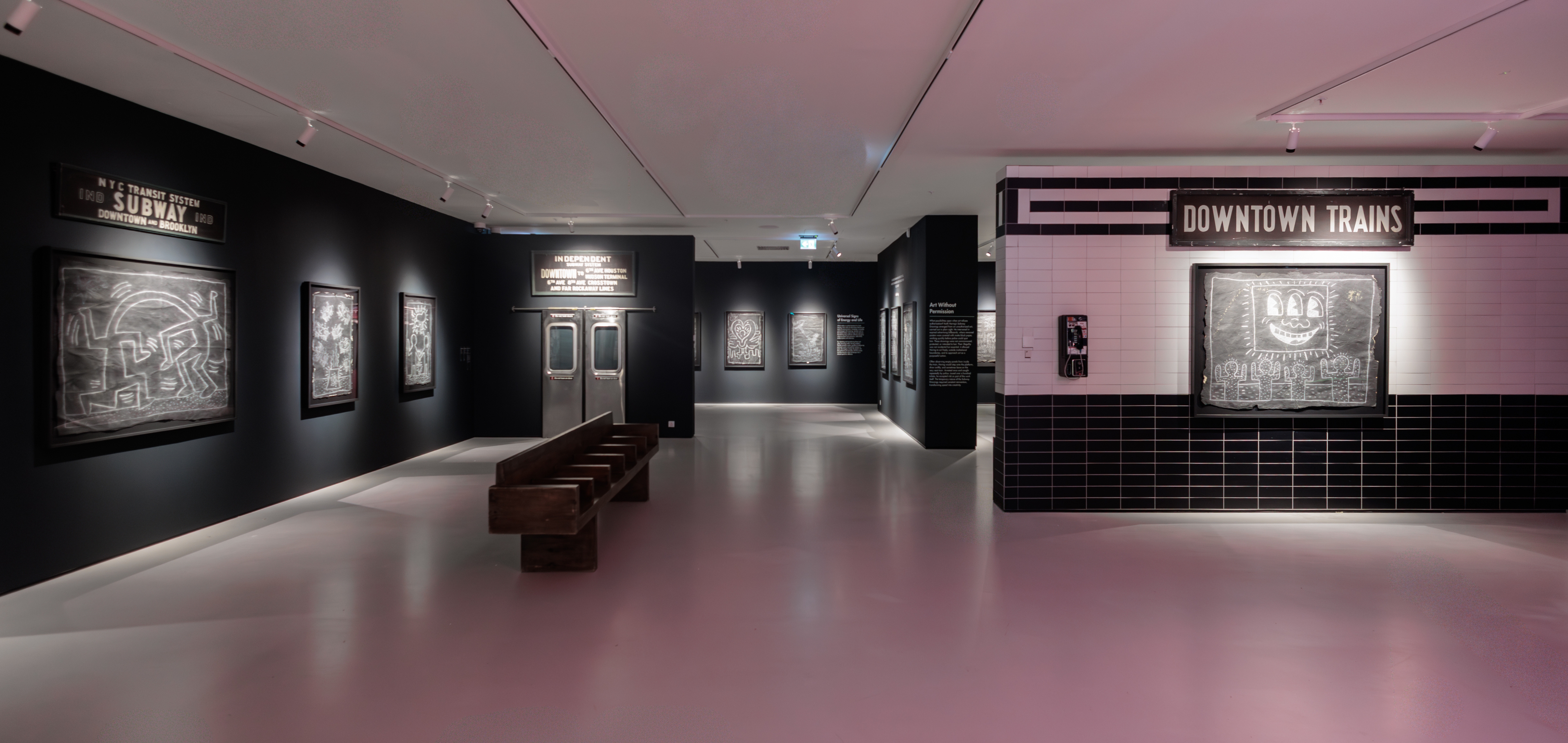
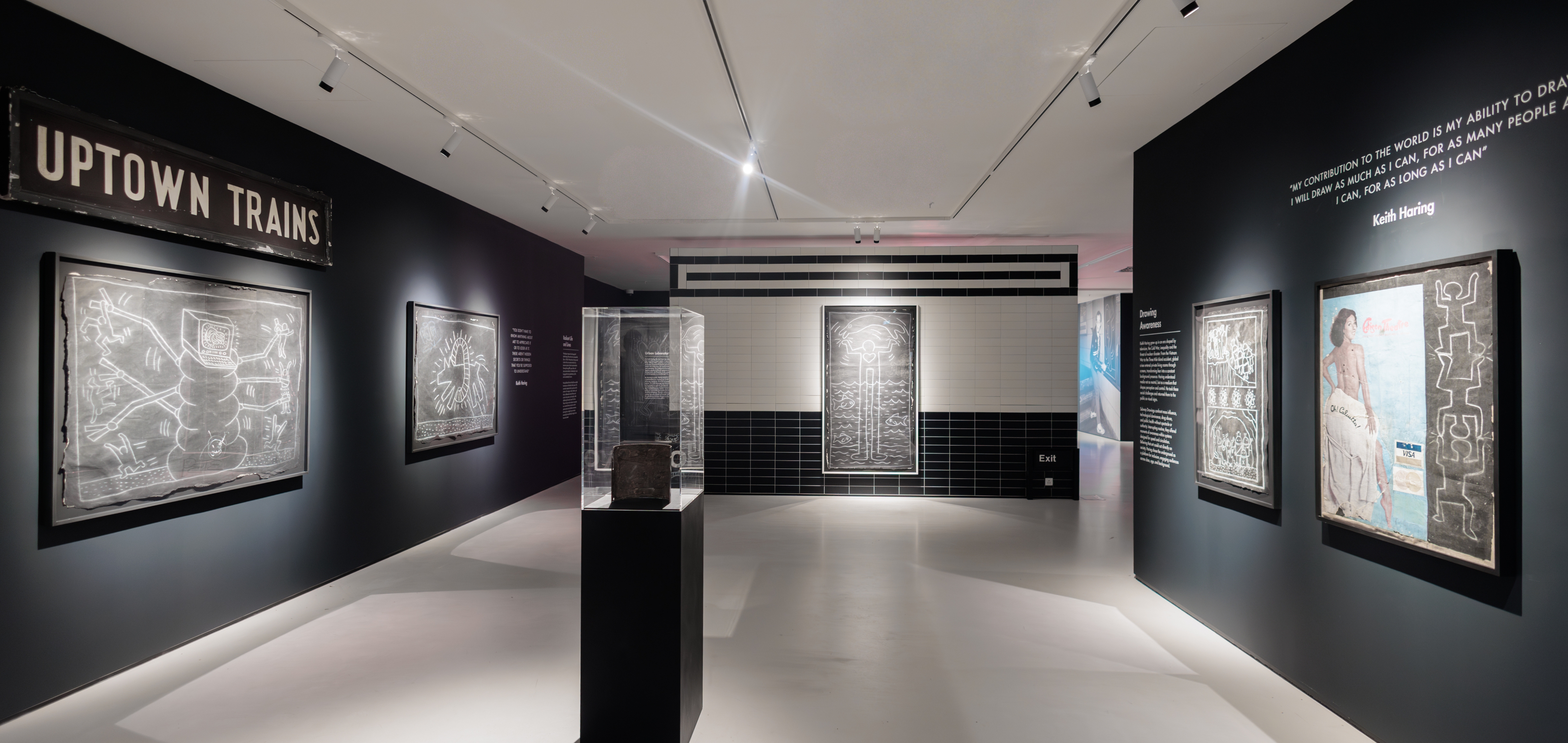
Voice of the Street is a Keith Haring exhibition in London dedicated to his Subway Drawings, the chalk works created in New York City subway stations between 1980 and 1985. Executed in chalk on black paper advertising panels, these works established the visual language that would define Keith Haring’s subway art.
Before the world knew his name, Keith Haring went underground, literally. From 1980 to 1985, New York’s subway became his canvas. Haring sketched thousands of drawings with nothing but white chalk and intention. Most were erased within hours, yet all were designed to be seen, forming what is now recognised as the Keith Haring Subway Drawings series.
Haring called the subway his “laboratory”, a space where he could test ideas in real time, directly engaging with commuters and moving outside institutional approval. Every line, figure and symbol was a message meant for everyone circulating through the city, transcending language, age and background.
Art in Action
The subway was more than a transit system for Haring. His quick drawings, executed amid passing trains and commuting crowds, made audiences active participants. Working fast to avoid being spotted by the police, and facing repeated fines and arrest, he embraced risk, speed and intuition as essential conditions of his creative practice. Its fleeting nature showed that expression mattered more than rules or authorization, reinforcing the immediacy of these Keith Haring chalk drawings.
A Universal Visual Language
Haring’s recurring symbols, such as the radiant baby, the barking dog and the dancing figures, were more than images; they were a vocabulary. Simple yet powerful, they communicated hope, protest and love. They carried social, political and emotional significance, transforming an ordinary space into a shared moment of reflection within the New York underground.
His continuous lines, graphic yet expressive, allowed him to produce impactful imagery in seconds. This immediacy rendered the subway drawings fully realized, performative works of art, distinguishing these intentional drawings from casual Keith Haring doodles.
Drawing Change
Created amid the political tension of New York 1980s, the AIDS crisis and an explosive street culture, Haring’s drawings functioned as an act of awareness, interrupting daily routine, inviting engagement, and reminding viewers of art’s potential to empower and transform. Haring’s drawings addressed issues of sexuality, social inequity and public health, blending art with activism, a context that shaped the urgency of the Subway Drawings exhibition in London.
A Lasting Legacy
At Moco Museum we believe art should be accessible to everyone and capable of inspiring change. Through this exhibition, visitors can witness Haring’s practice in context: a laboratory of immediacy, intuition and connection. These works embody the artist’s vision: art is not static, it is lived, shared, and has the power to transform, continuing to define the significance of this Keith Haring exhibition in London.
- Moco Masters
-
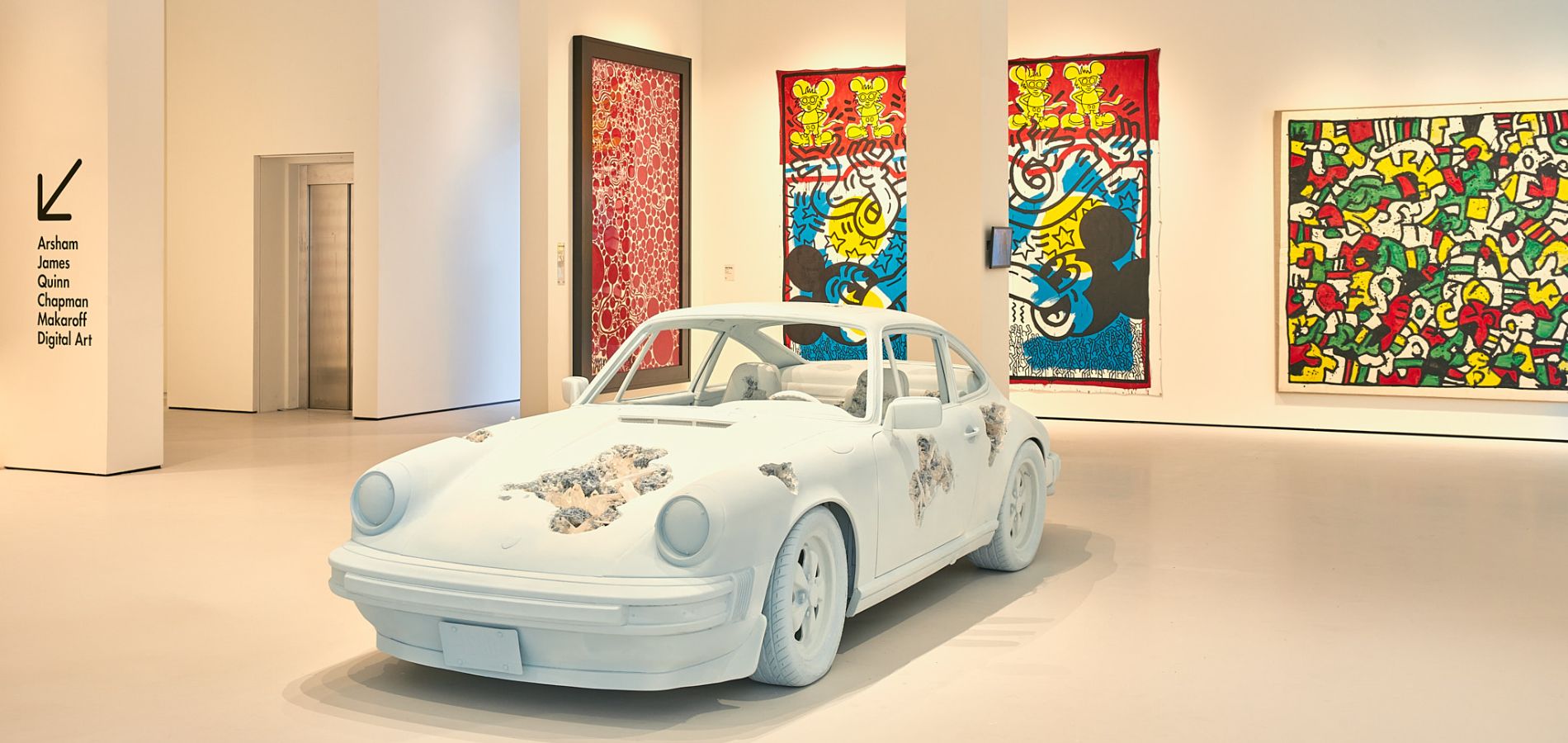
Upon entering Moco Museum, you will be greeted by the collection of ‘Moco Masters’ showcasing work from world-renowned artists including American pop art icon Andy Warhol; influential African American Jean-Michel Basquiat; Japanese legend Yayoi Kusama; American artist and social activist Keith Haring and English master Damien Hirst; American pop culture artists Jeff Koons and Tom Wesselman; and the infamous Pablo Picasso.
- Moco Contemporary Masters
-
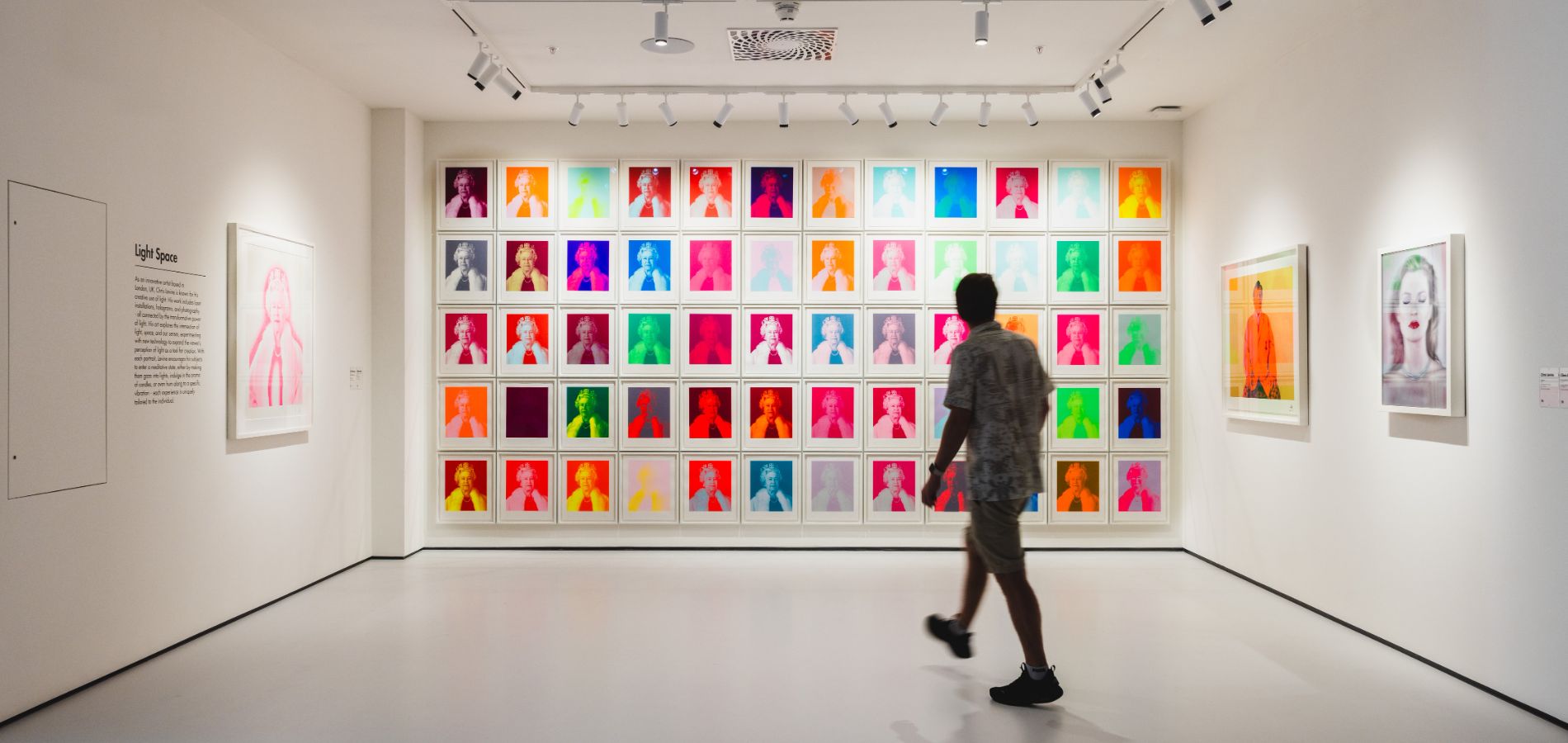
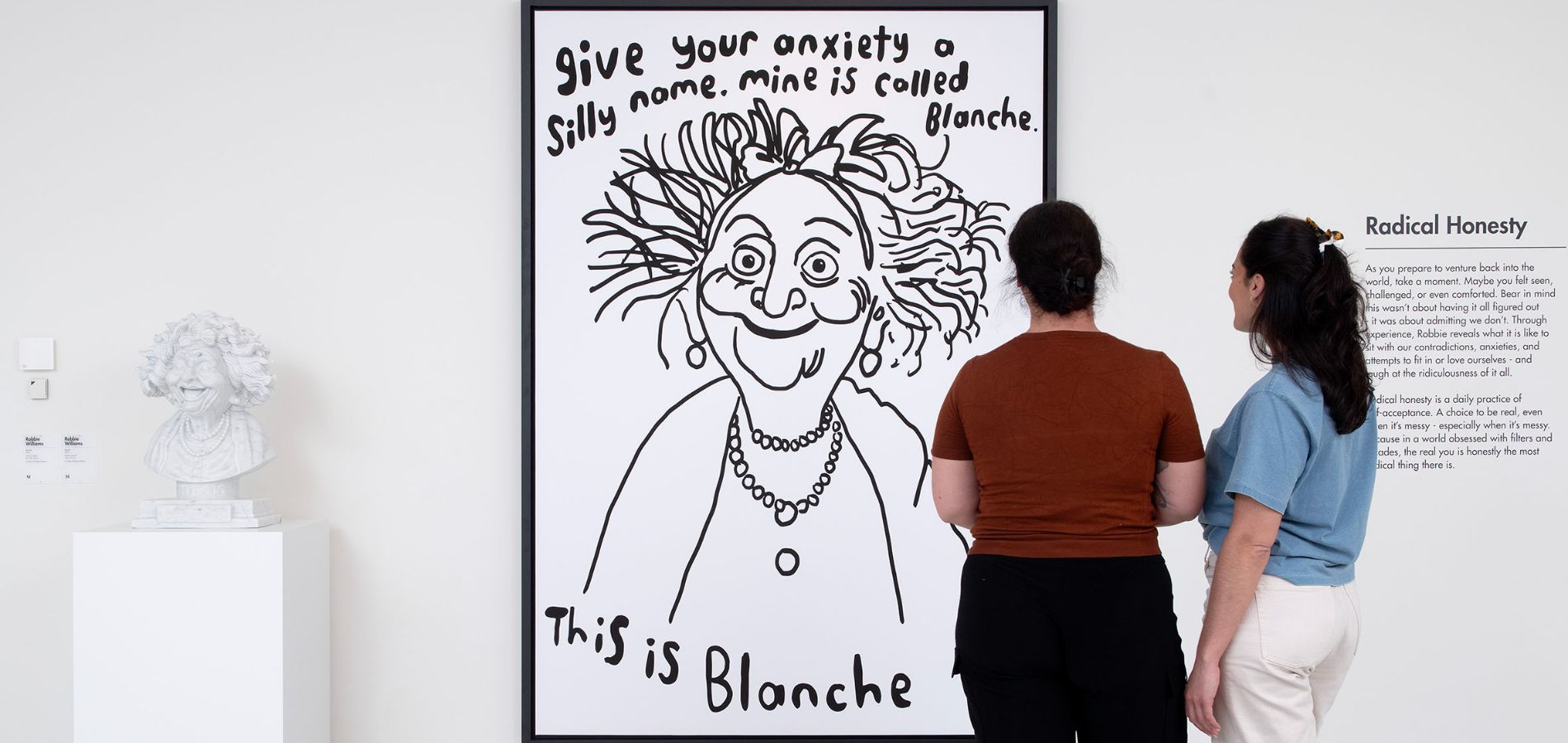
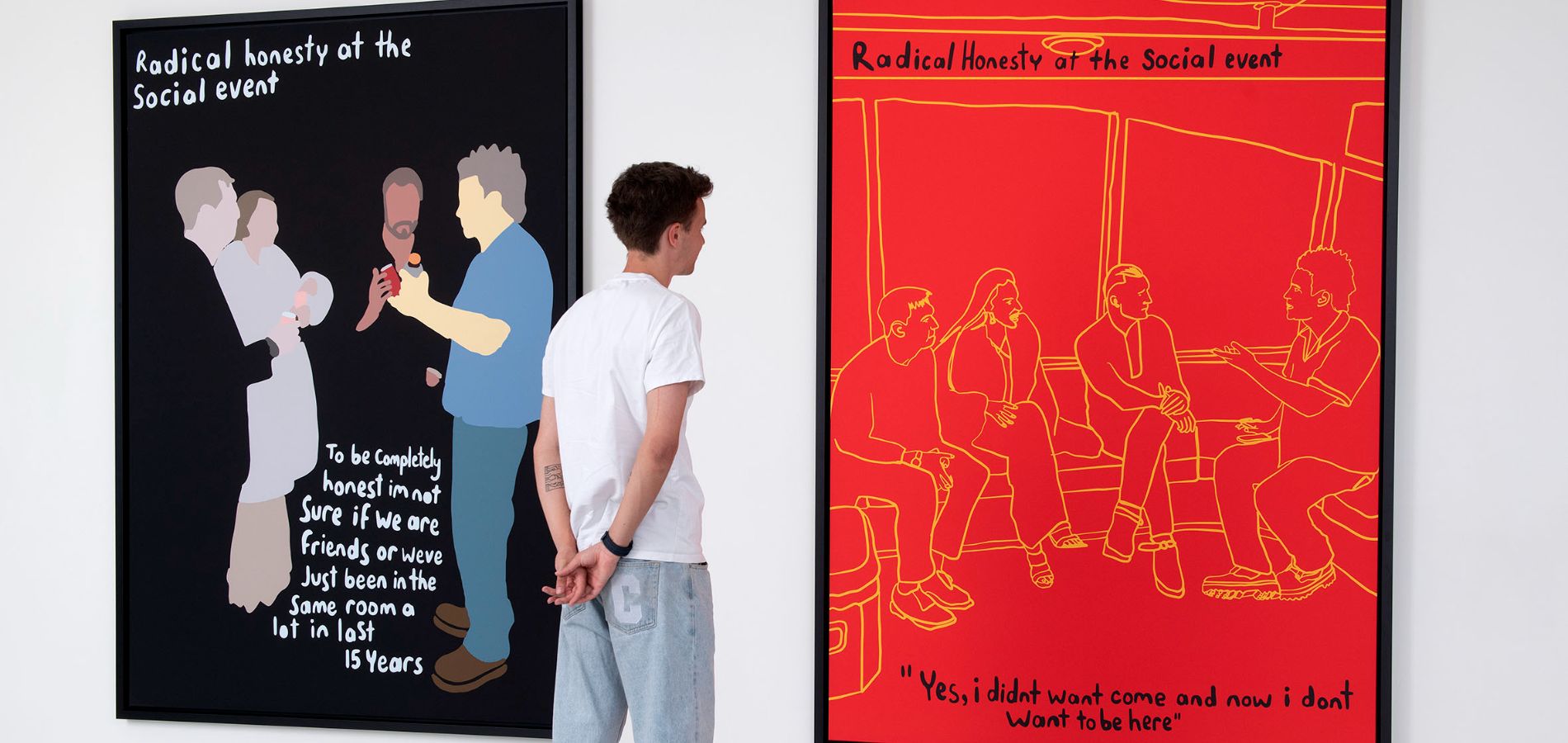
Ascending to the first floor where you will discover the dynamic world of ‘Moco Contemporary Masters’, showcasing works ranging from Tracey Emin, to iconic street artists KAWS and Banksy. British photographer Chris Levine; plus Julian Opie, JR, Takashi Murakami, Hayden Kays. British music icon Robbie Williams will also feature with works from his recently released collection ‘Pride and Self-Prejudice’ which aim to address his personal journey with his mental health and have never before seen in the UK.
- Moco Immersive Digital Artworks
-
On the lower ground floor, be captivated into the impressive world of ‘Moco Immersive Digital Artworks’. Featured artists include Argentinian multimedia artists Pilar Zeta, Andrés Reisinger and Six N. Five; British sculptor Anthony James, whose work recently featured in Netflix hit Glass Onion starring Daniel Craig. Additional digital artworks will include Amsterdam contemporary artists Pulse Interactive and Don Diablo, also an award-winning DJ producer; American artist Daniel Arsham; Italian sculptor and Venice Biennale legend Lorenzo Quinn; and Ibiza multidisciplinary artist Miranda Makaroff.
- Moco Store
-
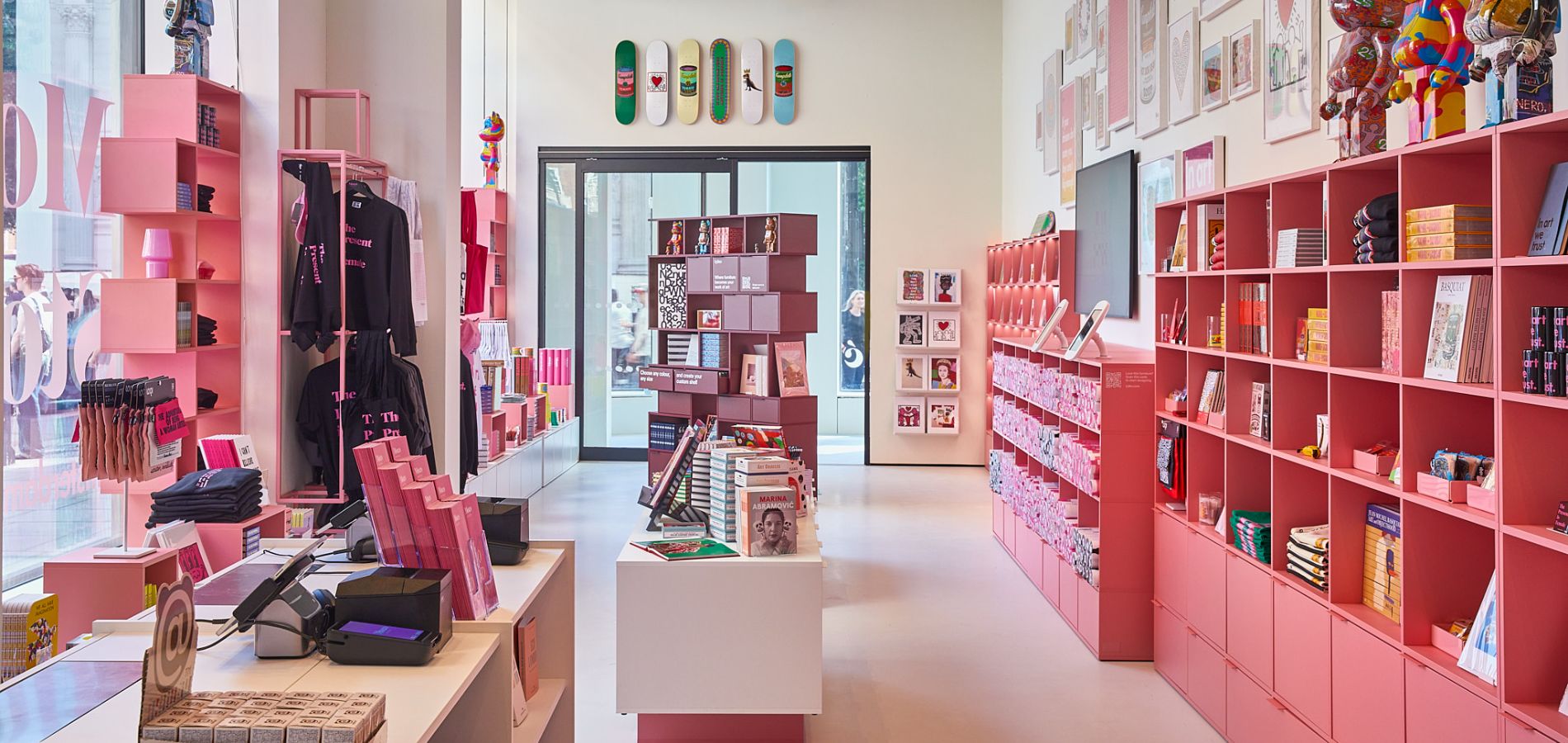
Finally, enjoy a vibrant Moco store, offering a curated selection of memorabilia.
ADDITIONAL INFORMATION
- Venue address: 1-4 Marble Arch, London, W2 2UH
- Opening Hours: Daily, 9:00 AM - 9:00 PM
- Suggested visit duration is 60-90 minutes
- Tickets are valid for the date and time shown
- Children 0-7 years can visit free of charge but must have a child ticket
- Children under 16 years must be accompanied by an adult
- Accessibility: the venue is wheelchair accessible
- Don't forget to bring your headphones to access the free audio tour
- Audio Guide: English, French, Spanish, German, Dutch, Italian
Highlights
- Celebrate icons of modern, contemporary, and digital art, including Basquiat, KAWS, Haring, Kusama, Banksy & many more
- Leave inspired and enlightened by their significant contributions to art, culture, and modern society
- Discover the limitless potential of digital immersive art and explore the latest innovations in art and technology
- This multi-sensory museum bringing you closer into the world of art than ever before, with something for every taste
- Art lover or newcomer, Moco Museum promises an enriching museum visit for everyone
- Located at Marble Arch, a central location and key part of London’s vibrant cultural fabric
- Robbie Williams' solo art exhibition 'Radical Honesty' - now open!
What's Included
Museum entry ticket
Access to all exhibitions
Printed museum guide to keep
Audio guide on your phone or device
Complimentary lockers for storage of personal bags and coats
What's Excluded
Transportation
|
|
BOOK WITH CONFIDENCE |

- No Cancellation Fees
- No Change Fees
- No Booking Fees
- Your Money is Protected - Free cancellation up to 48 hours before the day of departure
- For full terms, see Our Flexible Promise to You